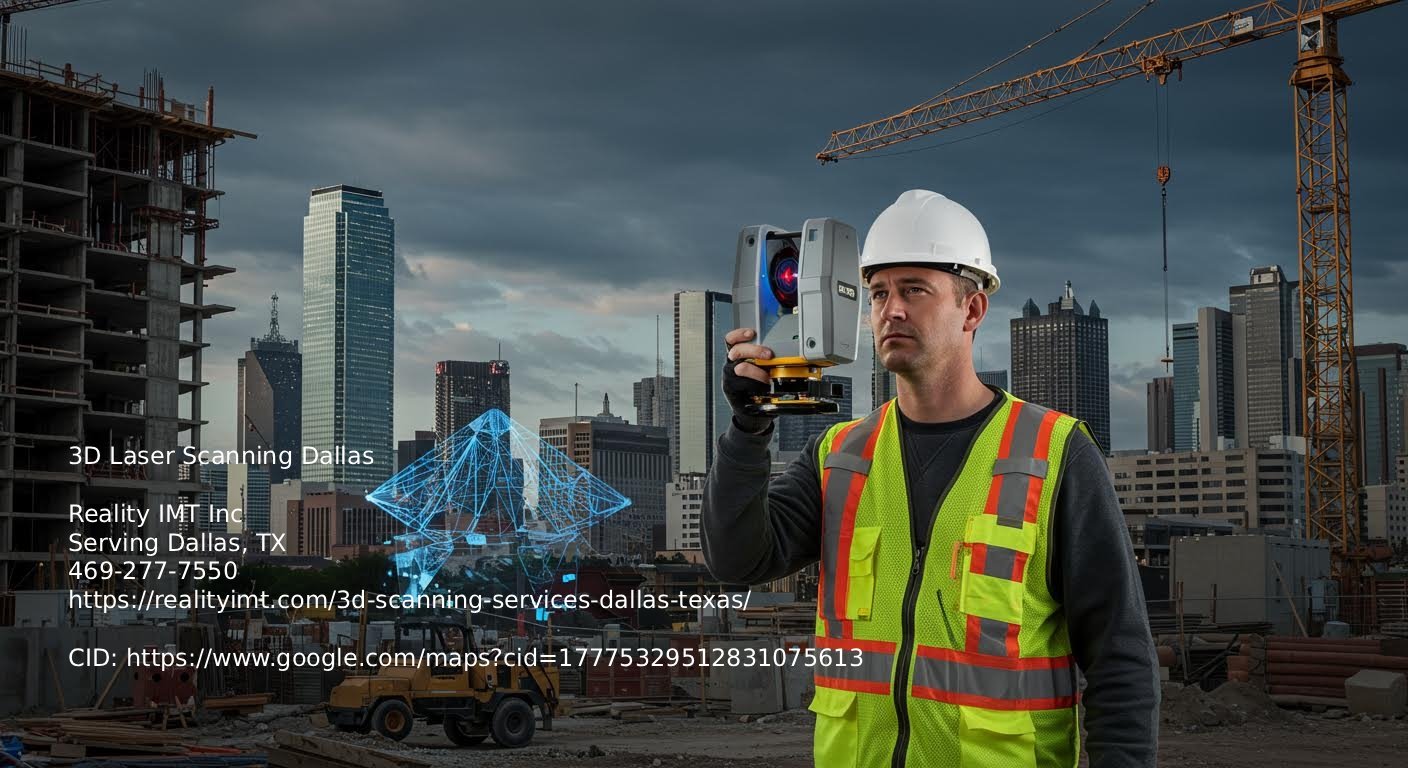
For commercial projects in Dallas—offices, retail centers, mixed-use buildings—3D laser scanning gives teams accurate, detailed measurements of existing conditions before work starts. This helps in renovation and retrofit jobs where old structures may not match original plans or lack documentation. Scanners collect millions of data points in minutes, creating a point cloud that shows the site’s exact geometry. From that, teams build as-built models in Revit or AutoCAD with precise dimensions.
Architects and engineers use the data to plan around real-world limits. HVAC systems, structural columns, ceiling heights—nothing gets guessed. For teams that rely on exact measurements Dallas 3D scanning for construction offers a smarter way to document existing conditions for architects, engineers, and contractors.. It’s all measured. Facility managers also benefit. They can use the scan data for maintenance, asset tracking, or future upgrades. In Dallas, where commercial spaces often get repurposed, clear data up front saves time and avoids rework.
Here’s where it goes wrong. Some teams scan too late. If demo has started, you’ve already lost the original conditions. Scan before any physical work. Another issue? Hiring someone without commercial experience. Scanning an office tower isn’t like scanning a house. You need someone who knows building systems, access rules, and how to deliver usable outputs for BIM or CAD.
Bottom line: if you’re planning a commercial project in Dallas and skip the scan, you’re guessing. And guessing costs money when it’s wrong.
Commercial 3D laser scanning uses LiDAR-based hardware to collect millions of measurement points from a space in minutes. The scanners send out laser pulses that bounce off surfaces and return to the sensor, recording the distance and angle of each point. The result is a dense point cloud—a digital copy of the space, accurate to the millimeter.
In Dallas, this helps during renovation or retrofit projects. Many older buildings lack current floor plans. Facility managers often use outdated drawings or take manual measurements, which can lead to errors. One wrong measurement can cause delays or rework. With 3D scanning, you get a full as-built model engineers and architects can trust from the start.
The scanning process is simple but needs planning. Technicians use terrestrial laser scanners on tripods and move through the site in a grid pattern. Each scan captures part of the space, and software stitches the scans together. Here is why that matters: if scans don’t align or overlap enough, the point cloud may have gaps or distortions.
Once the point cloud is ready, teams import it into CAD or BIM software. From there, they can pull measurements, create 2D drawings, or build 3D models. It saves time on-site and cuts down on guesswork during design. In busy areas like Dallas, where delays cost money, that accuracy matters.
3D laser scanning saves hours of manual measuring, especially in complex spaces. One scan captures millions of data points in just a few hours. Teams can process and share this data quickly, giving architects and engineers fast access to detailed site conditions. In fast-paced projects like Dallas renovations, this speed helps teams start design and permitting sooner. It also cuts down on repeat site visits that slow schedules and raise labor costs.
Hand measurements often miss small details or include errors, especially in older buildings. 3D laser scanning captures real conditions with sub-centimeter accuracy. Engineers and architects can trust that their models match the site. This accuracy helps avoid misalignments during construction or installation. It’s especially helpful when coordinating structural and MEP work, where small mistakes can lead to expensive fixes.
Scanning spots conflicts early, before construction begins. For example, it can locate ductwork or columns that might clash with new designs. This helps avoid change orders, delays, and extra costs. Accurate data also supports safety planning in active or partially demolished spaces. In fast-moving commercial jobs, fewer surprises mean smoother progress.
With scans, design teams work from current conditions, not outdated or missing blueprints. This matters in renovations or tenant build-outs. A full digital model supports better layout planning, coordination, and faster approvals. It also improves quantity takeoffs and cost estimates. For Dallas firms managing many players, this clarity keeps everyone on the same page.
After construction, scan data remains useful. Facility managers can use the 3D model to find hidden systems, check space use, or plan upgrades. This helps in offices with complex systems or changing tenant needs. A reliable record also makes inspections and maintenance easier. It removes the guesswork that comes with missing or outdated plans.
In commercial projects across Dallas, 3D laser scanning helps teams get accurate building data before making decisions. Architects use scans to see real site conditions before starting design. That means fewer guesses and less rework later. General contractors use the same data to plan better, estimate more accurately, and catch problems early—especially during renovations when drawings are outdated or missing.
Some teams scan too late—after demolition or framing. That limits the value. It works best early, before design, and again after big changes. Another common issue is poor coordination. A scan alone isn’t enough. Teams need to share and use the data. Otherwise, it just sits unused.
MEP engineers use accurate as-built models to locate existing systems. That matters when retrofitting HVAC, plumbing, or electrical into older buildings with tight spaces and limited access. Instead of measuring by hand and hoping it’s right, teams can use a point cloud or a Revit model from the scan. It saves time and improves accuracy.
Facility managers and property owners in Dallas use this data to plan maintenance and upgrades without stopping operations. They can share scans with consultants, which cuts down on site visits and confusion. Everyone works from the same data.
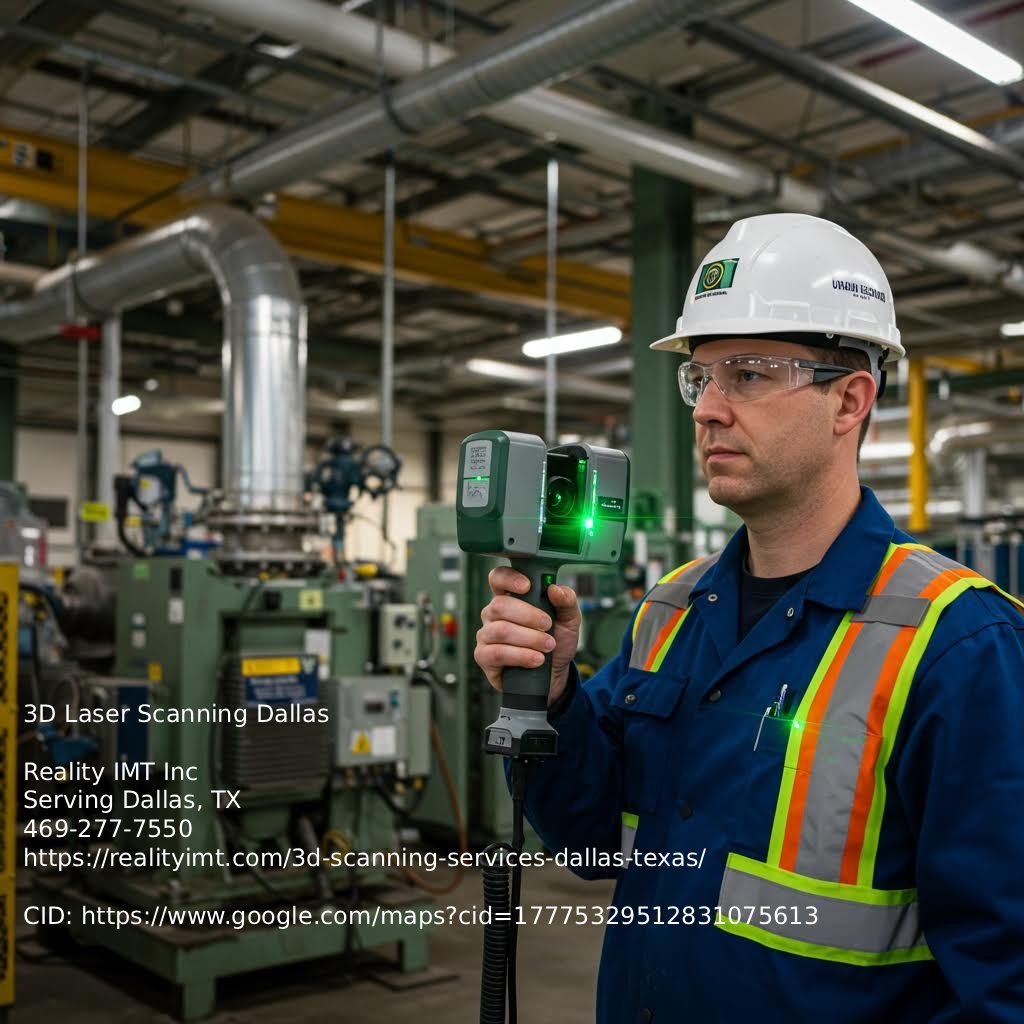

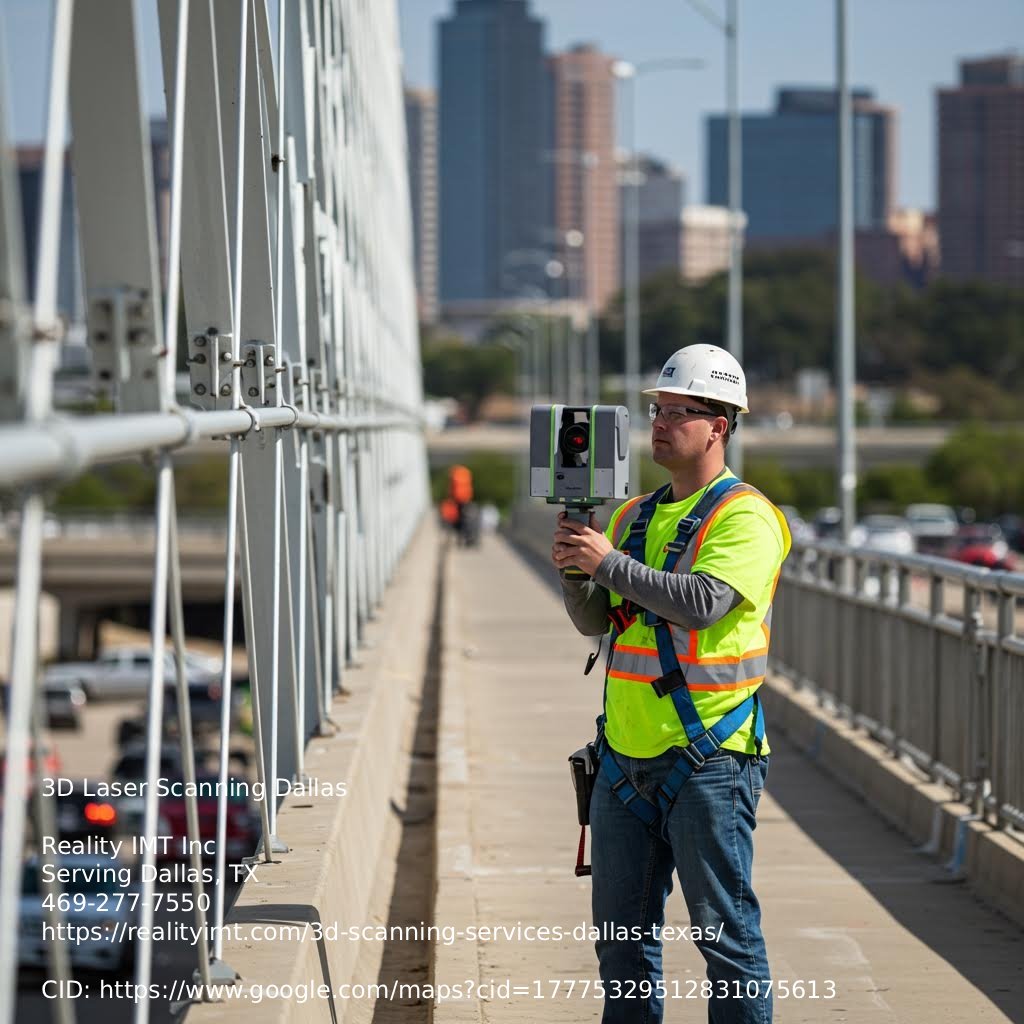
Commercial 3D laser scanning supports every phase of a project, even before design begins. In feasibility studies, accurate existing conditions help teams decide if a renovation or build-out makes sense. A scan of a commercial office in Dallas might show ceiling height limits or hidden structural elements that paper drawings or tape measurements miss. That helps architects and engineers avoid rework later.
During the site survey, laser scanning captures millions of data points—real dimensions, real geometry, no guesswork. MEP engineers benefit from knowing the exact locations of ductwork, conduit, or risers. In older commercial buildings, original plans are often outdated or missing. Scanning fills those gaps. It also spots floor level changes, misaligned walls, or odd angles that can disrupt prefabrication or layout.
During construction, teams compare scan data to design models to check installation accuracy. This process, called construction verification, catches alignment issues, missing parts, or spec changes before they cause delays. On tight schedules, like tenant improvements in active buildings, that makes a difference.
After construction, the same data helps with facility management. Facility teams in Dallas use scans to find shutoff valves, electrical panels, and equipment clearances without digging through old blueprints. That saves time and prevents mistakes, like cutting into walls or misrouting new systems.
So, from early planning to daily operations, 3D laser scanning gives commercial projects a clearer path and fewer surprises.
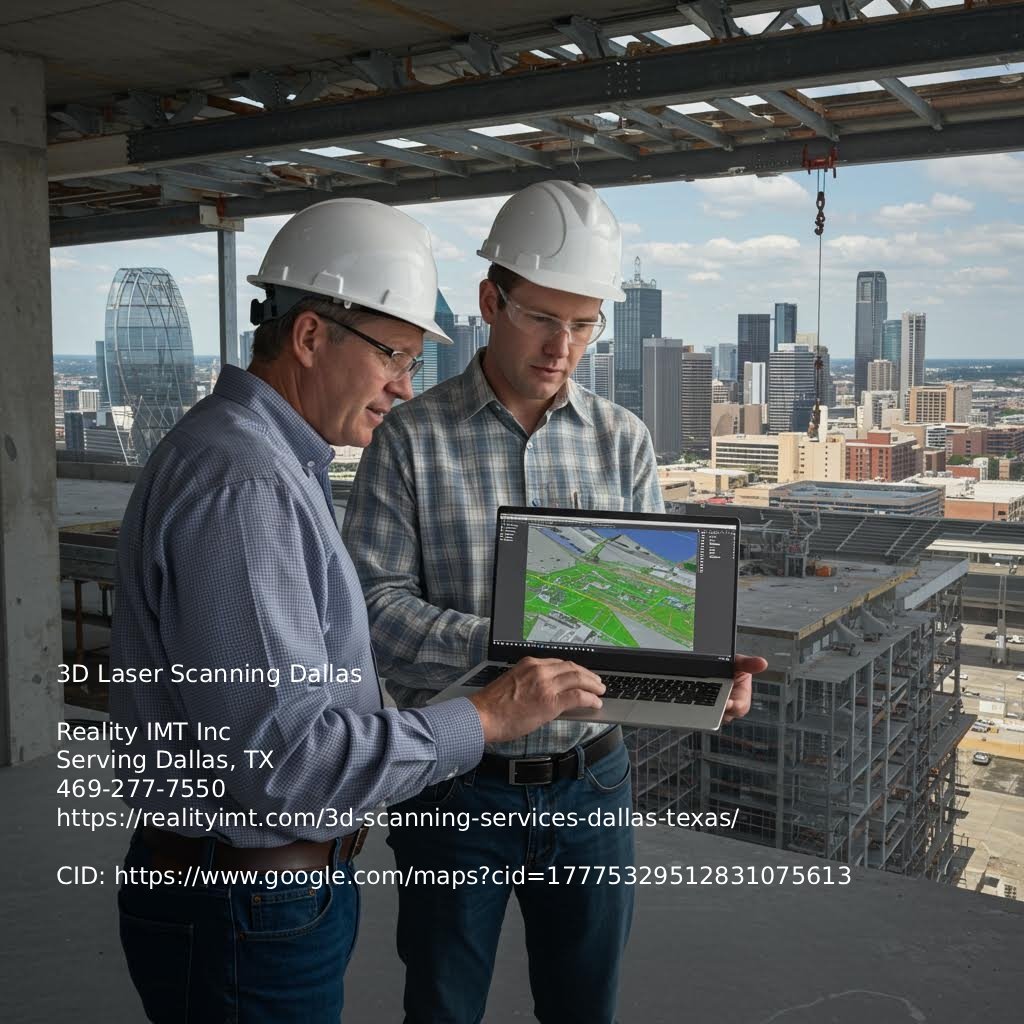
In commercial renovation projects, especially in older office buildings around Dallas, the biggest challenge is knowing what’s actually there before design begins. 3D laser scanning solves that by capturing exact measurements and geometry of the space. You scan once and get a detailed point cloud that becomes a BIM model. That starts the scan-to-BIM process.
With an accurate model, trades can coordinate early. Mechanical, electrical, plumbing—everything needs to fit in tight spaces. If the model is wrong or incomplete, systems clash. You find out during construction, not design, and that leads to delays and change orders. Scan-to-BIM lets you run clash detection early. You catch problems on screen, not on-site.
This also reduces rework. When the model matches real conditions—wall thickness, ceiling height, duct paths—designers don’t guess. Contractors don’t show up to find the ceiling six inches lower than expected. That kind of mistake costs money.
Facility managers benefit, too. A reliable model helps with future upgrades, retrofits, and maintenance. It’s easier when you know what’s behind the walls. Here is why timing matters: scan before design begins. Not after demo. Not during construction. Early scanning saves the most time and money.
Commercial property owners in Dallas use 3D laser scanning to get accurate as-built documentation. It helps avoid costly surprises during renovations. Tape measures and 2D plans often miss details. Scans capture the exact shape of walls, HVAC systems, floor levels, and structural parts. Architects and MEP engineers can pull that data into CAD or BIM software and design based on real conditions.
Historic preservation teams use scanning too. Older buildings often lack reliable records—or any records. Scanning documents arches, facades, and uneven surfaces without touching the structure. That matters when working with fragile or protected sites. The point cloud data becomes a permanent digital record for future restoration or replication if damage occurs.
Here is why scanning matters: it must be done right. If the scanner isn’t calibrated or misses blind spots, the model will have gaps. That throws off measurements and forces return visits. Scan early—before demolition or construction starts. Waiting too long risks missing key details. For owners and facility managers planning renovations, a clean scan early on saves time and prevents rework.
When you're working with commercial properties, especially older ones in cities like Dallas, exact measurements from the start keep projects on track. 3D laser scanning delivers that. It captures the current state of the building with millimeter-level precision, creating a point cloud that guides everything that follows. Here is why it matters: the real benefit comes when that point cloud connects with a BIM platform.
Once you bring the scan data into BIM, you’re not just viewing a model. You’re working with geometry tied to real-world coordinates and dimensions. Facility managers see actual conditions instead of relying on old drawings. Engineers spot conflicts between existing MEP systems and proposed changes before work begins. Architects plan renovations knowing exactly where walls, ceiling heights, and structural elements are—down to the inch.
This setup reduces guesswork. And guesswork often leads to budget overruns and delays. Let’s break it down. If an HVAC duct follows an inaccurate floor plan, you might only discover the problem during installation. Fixing it on-site costs more and wastes time. With accurate scan-to-BIM data, you catch issues like that early, during design.
It works for small updates too. Even moving office partitions or upgrading lighting runs smoother with a reliable digital version of the space. For commercial property owners and developers, this detail supports asset tracking, leasing plans, and long-term upkeep.
In Dallas, commercial 3D laser scanning supports many renovation and expansion projects. One common use is warehouse conversions. When turning an old warehouse into office or retail space, original drawings are often missing or outdated. Scanning the structure gives architects and engineers accurate, current data. That means fewer surprises during demolition and design. It also helps avoid clashes when adding HVAC, electrical, and plumbing systems to an older shell.
Tenant improvement projects benefit too. A landlord might need to reconfigure a floor of office space for a new tenant. Instead of using rough measurements or old CAD files, scanning captures every wall, soffit, column, and ceiling height. Designers can work with that data in Revit or AutoCAD, cutting site visits and reducing change orders during construction.
Industrial sites use scanning for plant expansions. These projects often involve existing machinery, piping, and structural steel. A laser scan gives engineers a full 3D model of what’s already there. That helps them plan additions without disrupting operations or breaking code.
Even smaller retrofits—like updating a lobby or changing open office layouts—can benefit. Facility managers use scans to check square footage, plan furniture, or coordinate with contractors. Without accurate measurements, mistakes happen. Walls don’t align, materials get over-ordered, or systems clash. Scanning helps avoid that. Here is why: it cuts risk and saves money.
If you need 3D laser scanning for a commercial project in Dallas—whether for a renovation, retrofit, or accurate as-built drawings—your choice of provider matters. Some deliver clean, accurate point clouds and models quickly. Others don’t. Bad data throws off design, coordination, and construction.
Start with accuracy. Ask what scanners they use. Top-tier terrestrial scanners capture data within millimeter tolerances. You’ll need that precision when fitting MEP systems into tight spaces or reusing structural elements. If a provider can’t explain their accuracy—or won’t guarantee it—keep looking.
Next, check their speed. Some scan a 50,000 sq ft office in a day and send registered point clouds within 48 hours. Others take a week just to schedule. Ask about turnaround times, especially if your design timeline is tight.
Deliverables matter too. Some only send raw point clouds. Others offer 2D floor plans, 3D Revit models, or clash detection reports. Know what you need and confirm they’ve delivered those file types before.
Experience helps. A team used to scanning oil refineries may not know what’s important in a commercial office job. Look for crews familiar with occupied spaces, downtown access, and working with architects and engineers. Here is why: it’s not just scanning—it’s making the data work for your project.
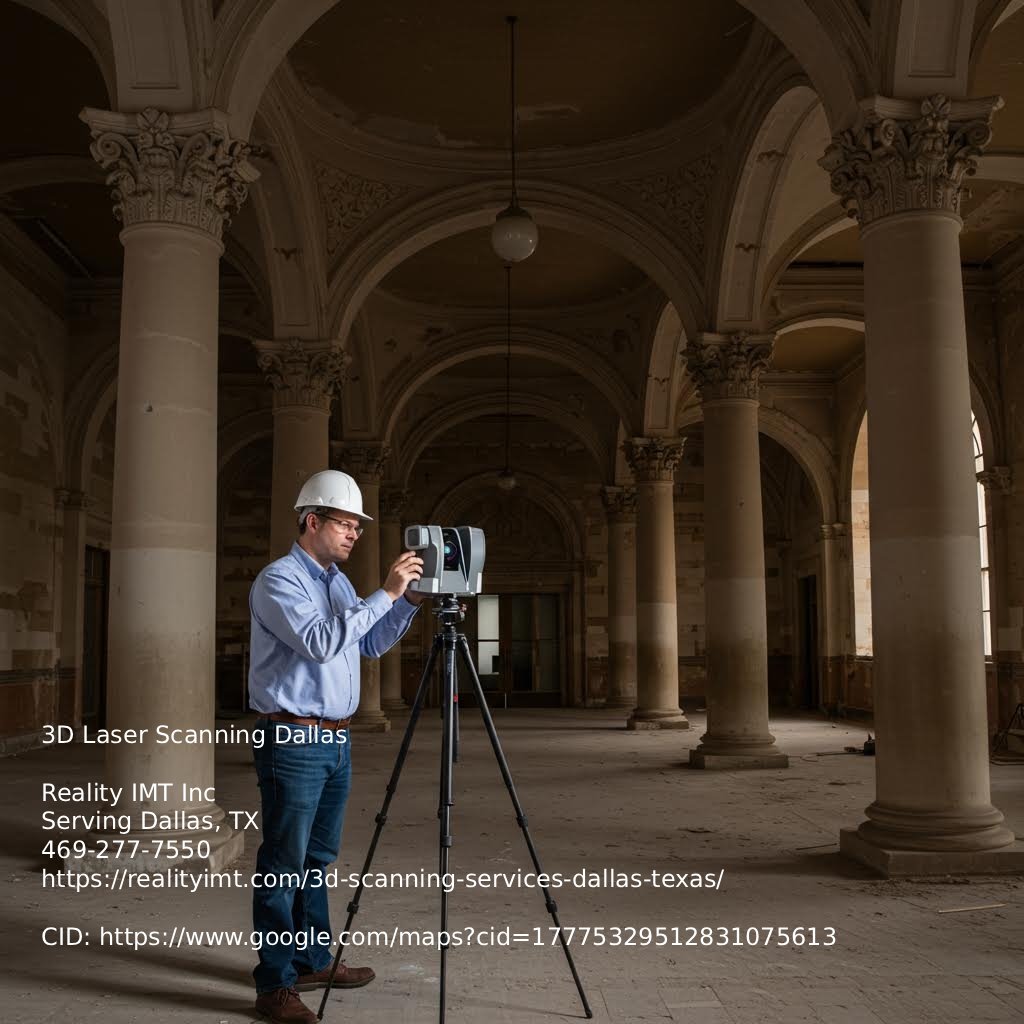
In commercial renovation and construction, 3D laser scanning helps teams gather accurate building data faster—often within days. Traditional site measurements may take multiple visits, especially when access is limited or the building has tricky geometry. A laser scanner captures millions of data points in minutes, giving architects and engineers a full as-built model without repeat site visits. This matters in busy commercial offices, like downtown Dallas buildings with active tenants.
After scanning, the point cloud data becomes 2D drawings or 3D models that are far more accurate than hand measurements. That accuracy counts. It cuts down on surprises during construction—like a column being two feet off or the ceiling height varying across the space. When drawings reflect real conditions, change orders drop. Fewer change orders mean fewer delays, less rework, and lower costs.
For facility managers and MEP engineers, accurate models early on make system design easier. Ductwork, piping, and electrical runs can be planned around actual site conditions. Contractors can prefabricate parts with confidence. Owners see faster project completion.
Skip scanning or rely on old drawings, and you're more likely to hit conflicts in the field. That slows everyone down. You can’t plan around what you don’t know.
When you hire a commercial 3D laser scanning service, you get more than a point cloud. Each deliverable supports a different part of your project. Here is why that matters. The raw point cloud shows millions of measurement points. It’s dense and accurate. Teams use it to build models or check dimensions. But it takes the right software and skills to use it well.
Many clients in Dallas ask for 2D CAD drawings like floor plans, elevations, and sections. These help with renovation planning, especially in older buildings with missing or outdated plans. Engineers and architects can plug them into their tools and start designing without spending weeks measuring on-site.
3D models come in formats like Revit or IFC. These help with BIM coordination, clash checks, and visualizing the space. Facility managers use them to track assets. Structural and MEP engineers rely on them to see how their systems fit into the space.
Reports and metadata also matter. You need to know the scan date, resolution, accuracy, and any limits. Without that, it’s hard to trust the data. Getting the wrong deliverables slows everything down. The right ones keep design, approvals, and construction on track.
3D laser scanning lets commercial project planners work with real, measurable data instead of guesses or outdated drawings. For site grading, it’s a big help. The scan creates a dense point cloud that shows the land’s topography exactly as it is. Planners can check slopes, drainage, and elevation changes before earthwork begins. That cuts rework and lowers the chance of grading mistakes that cause water pooling or structural problems later.
For site logistics, scan data gives a full view of current conditions. This helps when deciding where to stage materials, place cranes, or set up access routes. Instead of guessing or using drone photos alone, you’re working from a detailed 3D model with real distances and obstacles. This matters most on tight urban sites or renovation jobs where space is limited.
Scans also help with design checks. Before construction starts, planners can overlay the design on the scan to spot conflicts. If a wall overlaps a beam or mechanical line, you’ll catch it right away. This kind of clash check helps avoid change orders and delays.
In Dallas commercial projects, where buildings often have complex systems, skipping scan data early in planning can lead to expensive surprises. This is especially true in renovations or upgrades. Here is why: real-world data early on leads to smarter, faster decisions.
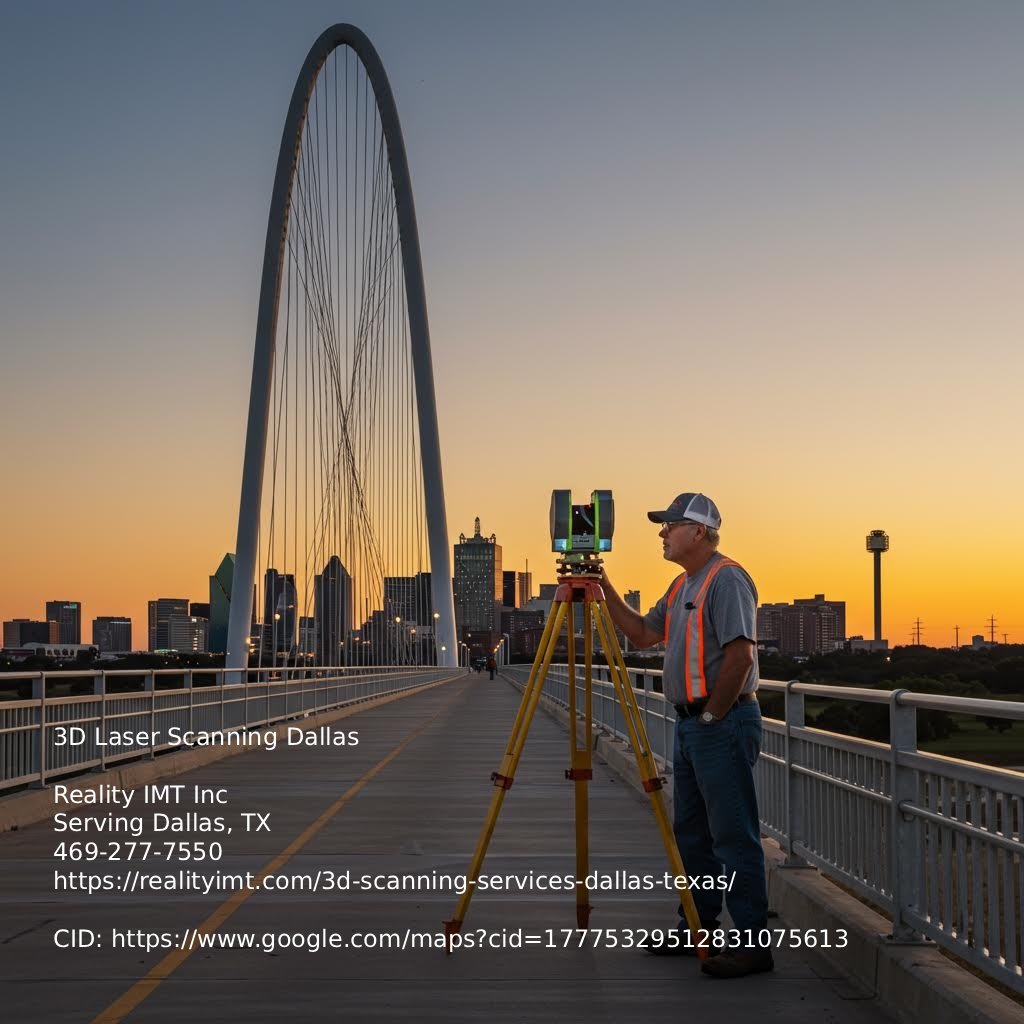
In commercial projects, accurate building data from the start makes a big difference. 3D laser scanning gives you that—millimeter-level detail on existing conditions, captured fast. For offices, retail spaces, or mixed-use buildings in Dallas, this helps you catch conflicts early. Think HVAC running into unexpected beams or wall layouts that don’t match the drawings. A scan shows what’s actually there, not what someone assumes.
This helps before demolition or renovation. You can overlay the scan with your BIM model to confirm your design fits the space. If it doesn’t, you catch it before anyone starts cutting or building. That saves money. It also helps check field work—if the built elements don’t match the model, you’ll know. You can compare the scan to the construction phase anytime to check alignment, elevations, or structure placement.
For teams handling compliance, this data helps meet code and inspection rules. Local building officials or fire marshals often ask for accurate as-builts. A point cloud or 3D model from a registered scan holds up better than hand-measured drawings. In Dallas, where commercial permits and inspections are strict, this level of documentation can prevent delays.
One common mistake? Scanning too late. If you wait until construction starts, you miss the chance to fix pre-existing issues. Another is not scanning enough—just doing a few rooms or skipping the roof. Incomplete data leads to bad assumptions. Better to scan once, fully, and build from verified conditions.
In Dallas, most commercial 3D laser scans take one to two days. Timing depends on the size and layout of the space. A standard office floor may take just a few hours. Older buildings or tight mechanical rooms take longer. Schedule scanning before demolition or construction. Once walls come down, you lose the chance to capture accurate conditions.
Cost depends on square footage, number of scan positions, and post-processing. Scanning a medium-sized office might cost between $2,000 and $6,000. Some firms charge hourly, others by project. Ask if the quote includes registration, cleanup, and models like point clouds or Revit files. Some only give raw data, which isn’t useful unless you know how to process it.
You must provide access to all areas. Coordinate with tenants or building managers if the space is active. Locked rooms or crowded areas won’t scan, leaving gaps. Reflective surfaces like glass and mirrors can cause scan noise. Some of it can be cleaned up, but not always.
You’ll usually get a registered point cloud or 3D model in formats like .RCP, .E57, or .RVT. Architects and engineers use them for floor plans, elevations, and renovation planning. Facility managers use them to locate systems and equipment. Skipping scanning often leads to rework. Misaligned walls and poorly fitting systems cost time and money.
If you're planning a commercial renovation or a new office build-out in Dallas, start with accurate as-built data. 3D laser scanning captures exact measurements of walls, ceilings, structural systems, and mechanical elements. It's quick, non-invasive, and records details down to a few millimeters. That matters when you're laying out ductwork, rerouting plumbing, or meeting ADA requirements.
Architects, engineers, and contractors often spend time and money fixing bad field measurements. Outdated drawings can also cause problems. These issues lead to construction clashes and delays that you can avoid.
Thinking about 3D scanning for your project? Talk to someone who does it daily. Some buildings aren't good fits for scanning, and not all scanners work for large projects. A short site walkthrough with a scanning pro can confirm if the building layout, lighting, and surfaces are right. You’ll also get a clear quote and timeline.
Whether you're handling a multi-floor renovation or need a solid base plan, contact a local scanning team. Ask questions. Get a quote. Schedule a walkthrough. It’s a simple step that helps you avoid bigger problems later.